Malaria Consortium commends Bogoro Traditional and Religious Leaders for supporting SMC campaign in the area
By Hussaini Aliyu
The Malaria Consortium has commended traditional and religious leaders in Bogoro Local Government Area of Bauchi State for their contributions to the successful implementation of the Seasonal Malaria Chemoprevention (SMC) campaign aimed at protecting children against malaria.
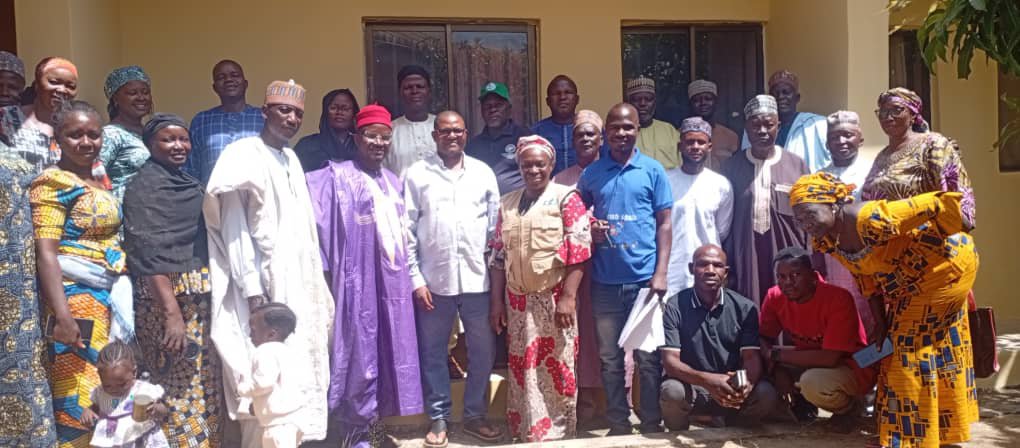
The Malaria Consortium Field Assistant in Bogoro, Mrs. Sarah Timothy, gave the commendation during a community engagement meeting held at the local government council chamber, where she acknowledged the leaders’ efforts in sensitising residents and promoting the smooth implementation of the campaign.
Sara Timothy also praised the collaboration between the Malaria Consortium and the Bogoro Local Government Primary Health Care Department, describing the partnership as essential to the effective delivery of malaria prevention interventions across the area.
Earlier, the Director of the Primary Health Care Department of the Local Government, Mr. Godwill Hakuri Gidado, commended the administrations of Governor Bala Abdulkadir Mohammed and the Chairman of Bogoro Local Government, Pastor Zakka Luka Magaji, for their commitment to improving healthcare delivery and the well being of residents, particularly children.
Goodwill Gidado thanked traditional and religious leaders for their continued support and urged them to intensify public awareness campaigns, especially among women and caregivers, on the importance of SMC medicines and other child health interventions.
He described malaria as a major public health concern, particularly for children and pregnant women, and encouraged residents to ensure the proper and consistent use of insecticide treated mosquito nets to prevent infections.
In his remarks, the District Head of Bogoro, Mr. Nuhu Tafida, represented by his secretary, Mr. Ayuba Dauda, appreciated the Primary Health Care Department for its sustained efforts in preventing and controlling diseases in communities.
Nuhu Tafida urged traditional and religious leaders to continue educating residents on essential health interventions and to support health workers deployed to their communities to ensure effective implementation of healthcare programmes.
He also appealed to health workers to notify traditional rulers whenever they are assigned to communities for official duties, noting that, such communication would improve coordination, promote mutual understanding and strengthen cooperation between healthcare personnel and community leaders.